• Skip to main content
  • Programs
    • Medical Detox
    • Inpatient Treatment
    • Intensive Outpatient Treatment
    • Family Care
    • Eating Disorder Treatment
    • Sacred Soul Program
    • Alumni
  • Treatments
    • Holistic Integration MedSpa
    • BioFeedback
    • EMDR
    • Dual Diagnosis
    • Medication-Assisted Treatment
    • Equine Therapy
    • Accelerated Resolution Therapy
  • Substance Use
    • Drug Addiction
    • Alcohol Addiction
    • Meth Addiction
    • Opioid Addiction
  • About
    • Our Staff
  • Resources
    • Blog
    • Frequently Asked Questions
    • Private Pay
    • What to Expect
  • Facilities
    • Silkworth Center Medical Detox Facility
    • First Step Residential Facility
    • Wit’s End Residential Treatment Facility
    • Wilson Residential Center
    • Dotson House Residential Center
    • Soul Surgery Outpatient Facility
    • Holbrook Intensive Outpatient Center
  • Get Help
    • Contact Us
    • Insurance Verification
    • What to Bring
Get Help Today (866) 978-2749
  • Programs
    • Medical Detox
    • Inpatient Treatment
    • Intensive Outpatient Treatment
    • Family Care
    • Eating Disorder Treatment
    • Sacred Soul Program
    • Alumni
  • Treatments
    • Holistic Integration MedSpa
    • BioFeedback
    • EMDR
    • Dual Diagnosis
    • Medication-Assisted Treatment
    • Equine Therapy
    • Accelerated Resolution Therapy
  • Substance Use
    • Drug Addiction
    • Alcohol Addiction
    • Meth Addiction
    • Opioid Addiction
  • About
    • Our Staff
  • Resources
    • Blog
    • Frequently Asked Questions
    • Private Pay
    • What to Expect
  • Facilities
    • Silkworth Center Medical Detox Facility
    • First Step Residential Facility
    • Wit’s End Residential Treatment Facility
    • Wilson Residential Center
    • Dotson House Residential Center
    • Soul Surgery Outpatient Facility
    • Holbrook Intensive Outpatient Center
  • Get Help
    • Contact Us
    • Insurance Verification
    • What to Bring
Get Help Today
(866) 978-2749
Home Resources Rehab Blog How Does Your Body Change With Heroin Use?

How Does Your Body Change With Heroin Use?


Dr. Ravi Chandiramani

October 21, 2020
Addiction
How Does Your Body Change With Heroin Use?

Heroin is one of the harshest drugs out there. The negative effects on the brain and body can be significant. However, those that are addicted to heroin may not be asking the question, “How does heroin affect the body?” They may not care that much about the short or long-term effects of heroin use. After all, the pull of addiction can outweigh logic and rationale time and time again.

Still, it’s imperative to warn heroin users of the dangers of the drug. Heroin is a very deadly and addictive substance that many users become severely addicted to after experimenting with it.

Once you’ve become addicted to the substance, it can be challenging for you to stop using it permanently on your own. Thus, proper, thorough treatment may be necessary to help you overcome the addiction.

The Opioid Crisis

The Centers for Disease Control reports that there were 46,802 reported opioid overdose deaths in 2018. That’s about 128 people per day dying from using an opioid that ranges from prescription opioids like OxyContin to synthetic heroin opioids like fentanyl.

Heroin is one of the largest drug problems in the United States today. According to the National Institute on Drug Abuse (NIDA), in 2018, U.S. national overdose deaths associated with heroin were almost 15,000. That’s around 41 people per day.

In addition, according to the National Survey on Drug Use and Health (NSDUH), in 2016 in America, 948,000 people admitted to using heroin within the past year. This is considered epidemic levels. In fact, the epidemic is so commonplace that many new treatment centers have been opened across the United States, all sharing the same purpose – detox and treatment.

This article will discuss what heroin is, as well as the short and long-term effects it can have on the body.

What Is Heroin?

Heroin is an opiate derivative of the poppy plant found in South America, different parts of Asia, the Middle East region, and Africa. It’s made into a powder that users typically melt into a liquid using a spoon and lighter. Then, they inject it into their bloodstream via a vein. However, the drug can also be smoked and or snorted in powder form.

The immediate effects of heroin are extreme feelings of pleasure lasting maybe 10-20 minutes, followed by intense sick and lethargic feeling once the drug has worn off. The effects of repeated use include slowed heart rate, nausea, vomiting, and sometimes potentially fatal symptoms.

You can easily overdose on heroin due to its extremely potent nature. The risks involved with its use are a huge gamble, thus rendering the urgent need for detox and rehabilitation treatment.

How Heroin Affects The Brain

The brain has opioid receptors that help the body with pain. If you’ve ever been given a subscription for a pain reliever, then you understand how helpful opioid receptors can be.

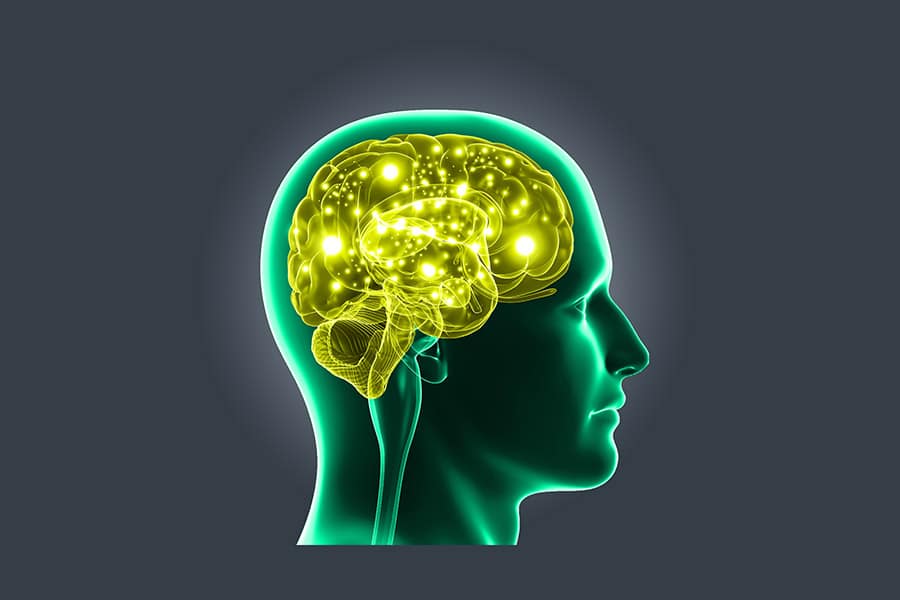
Heroin use causes short and long-term effects on the brain. When heroin hits the brain, it binds and activates mu-opioid receptors (MORS). These receptors go into overdrive when heroin attaches, releasing large amounts of dopamine.

Dopamine is a neurotransmitter that helps you feel euphoria. Your body can produce some degree of dopamine naturally. However, when you introduce heroin to your system, it boosts the levels significantly. Your brain remembers this and will cause you to crave more and more of the drug to achieve the same “high.”

Heroin use will also affect the part of the brain that controls your respiratory system and heart rate. It can rapidly decrease your breathing and heart rate, putting you in danger of death.

Long-term effects of heroin on the brain include damage to parts of the brain and increased tolerance. Inhaling heroin smoke that’s burned through a pipe (chasing the dragon) is extremely dangerous to the brain. It can lead to brain damage and dementia.

Repetitive use of heroin can lead to an increased tolerance, where you need more of the drug to get the same euphoric effect. This is quite dangerous, as the more heroin you use, the more you’re susceptible to a fatal overdose.

Let’s look a bit more closely at the short and long-term effects of heroin on the body:

Heroin Use: Short-Term Effects On The Body

The short-term effects of heroin occur quickly after the drug enters the body. Almost immediately, there will be a feeling of nausea for 10-20 seconds, followed by an intense rush of euphoria. A warm feeling may course throughout the body. However, this pleasurable feeling only lasts between 10 to 20 minutes, depending on the tolerance level. Then, the “crash” begins, which includes:

  • Drowsiness
  • Slowed breathing
  • Nausea and/or vomiting
  • Itchiness
  • Flu-like symptoms (runny nose, watery eyes)
  • Body aches
  • No appetite

Heroin Use: Long-Term Effects On The Body

The long-term effects of heroin use can greatly impact mental and physical health.

Mental

  • Decreased ability to think rationally and make wise choices (cognitive dysfunction)
  • Feeling depressed
  • Feeling anxious
  • Feeling agitated
  • Feeling confused

Physical

  • Damage to the brain
  • Increased risk of overdosing
  • Respiratory/lung problems
  • Abscessed skin
  • Collapsed veins can cause blood clots and/or stroke
  • Sleep difficulties
  • Liver or kidney disease
  • Weak immune system
  • Increased risk of getting Hepatitis B or C through needle sharing
  • Falling into a coma

How Does Your Appearance Change From Heroin Use?

It’s not just the inside of the body that can be negatively impacted by heroin use. Your physical appearance can change too, such as:

  • Teeth rotting (for those that don’t practice oral care)
  • The skin can abscess, causing red blotches (similar to a boil)
  • The gums can swell
  • You can experience extreme weight loss
  • Your complexion can change
  • You can experience facial pustules or fluid-filled bumps on the skin
  • You may get pockmarks (indentations) on the skin

How does heroin affect your body?

As you can see, it affects the mental, emotional, and physical body in various ways. Long-term heroin users aren’t likely to be able to hide their addiction problem.  It’s usually noticeable in their appearance and behavior, especially the more heroin they use.

Do You Need Help Quitting Heroin?

There are various treatment options available to treat heroin addiction. Soul Surgery offers individualized care based on the needs of the individual. If you or someone you know is using heroin, contact Soul Surgery today. We can help you get free and create the kind of life you truly desire.


About the Author

Dr. Ravi Chandiramani

Dr. Ravi Chandiramani is a Naturopathic physician with over 15 years experience working with those struggling with addiction and alcoholism. Over those 15 years he has worked with over 7,000 patients. He is the founder of the Integrative Addiction Medicine (I-AM) model which combines evidence-based conventional addiction medicine with the nurturing and rebuilding modalities inherent to the practice of Naturopathic medicine.

I loved my time at Soul Surgery!

I was in the program for about 5 months and my life completely changed for the better. I battled my addiction, and learned new coping skills and ways to handle tough situations and make the right decision. From the start everyone was super helpful and caring. Staff knows you by name and no one ever judges you either which is nice. I’m grateful for the time I was there and would highly recommend to anyone! Thanks Soul Surgery!

Chad V.

Resources

Frequently Asked Questions

We’ve answered some of the most common questions clients ask before their first stay with us.

What to Expect?

Peer into what a day looks like as you stay at one of our recovery centers.

Latest Articles

Stay up to date on the latest in addiction and rehabilitation treatments.

Accreditations

Get Help Today

Take the first step in your journey to recovery.

"*" indicates required fields
Name*
Consent
This field is for validation purposes and should be left unchanged.
Call Now(866) 978-2749

24 Hour Intake Line: (833) 568-6619

Email: [email protected]

14362 N Frank Lloyd Wright Blvd. #B111
Scottsdale, AZ 85260

  • Facebook
  • Instagram
  • YouTube
PROGRAMS
  • Medical Detox
  • Inpatient Treatment
  • Intensive Outpatient Treatment
  • Supportive Housing
  • Family Care
  • Alumni
TREATMENTS
  • Holistic Integration MedSpa
  • BioFeedback
  • EMDR
  • Dual Diagnosis
  • Medication-Assisted Treatment
  • Equine Therapy
SUBSTANCE USE
  • Drug Addiction
  • Alcohol Addiction
  • Meth Addiction
  • Opioid Addiction
Privacy Policy | Terms and Conditions
© 2022 Soul Surgery, LLC.