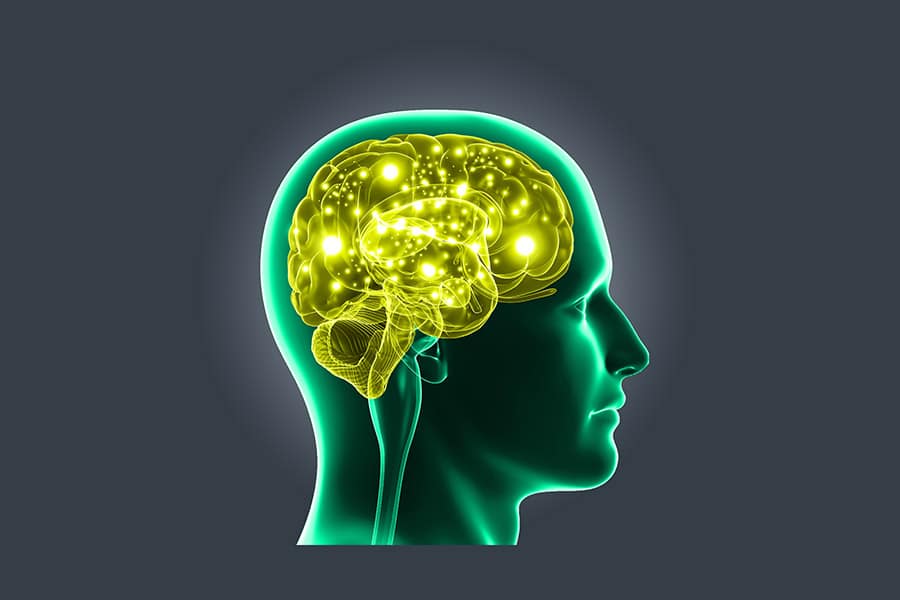
Dual Diagnosis Rehabilitation Helps Relieve Anxiety and Addiction


Separate and all-inclusive research on anxiety and addiction continues to show a relationship between the two. Soul Surgery, a dual diagnosis rehabilitation treatment center, addresses both with an integrated holistic approach to care. When it comes to the causes and effects of anxiety and substance abuse, the symptoms of one can often make the symptoms of the other more pervasive and often debilitating.
Developing a treatment plan for addiction without addressing the anxiety that is causing, contributing, or enhancing it will be ineffective. Treating these two co-occurring disorders together is the best way to fully break down the underlying causes. By coming up with a treatment plan for both, there is a greater chance of success.
People who struggle with anxiety will often turn to substances to relieve the painful symptoms and feelings that come with high anxiety. This anxiety can also be a personality factor woven deep within that comes having an impulsive nature, which can also lead to a higher risk factor for addiction.
If just one of the co-occurring disorders like depression is treated without addressing substance abuse and addiction, relapse is far more likely. When treating both concurrently with dual diagnosis rehabilitation techniques and methods, individuals learn how to process these emotions in a healthy way.
A study in the scientific periodical Psychiatric Services found that almost half of the patient sample that was diagnosed with a substance abuse disorder were also dealing with anxiety or depression. For military veterans or others more likely to have had Post Traumatic Stress Disorder (PTSD), the rate was even higher than that.
The same study showed that among those treated for substance abuse that did not have anxiety disorders, 73 percent of them remained substance-free for six months after being treated. However, only 40 percent of those with anxiety disorders remained substance-free for the same six month period.
These researchers have concluded that anxiety and addiction must be closely related. Anxiety is an actual cause of substance abuse and addiction.
Continued after video:
Patients with co-occurring disorders deal with substance abuse problems and some level of anxiety disorder. Dual diagnosis rehabilitation involves the simultaneous treatment of substance abuse problems and mental anxiety disorders like depression, bipolar and neurodevelopmental disorders, and PTSD.
The professional staff at Soul Surgery understands the differences between pre-existing mental health issues and substance-induced mental health issues. We will make an accurate diagnosis and treatment plan that fits an individual’s needs. The best chance the patient has to achieve and maintain sobriety while living an anxiety-free, healthy, and fulfilling life is through a comprehensive dual diagnosis rehabilitation treatment for co-occurring conditions.
Millions of adults in the United States have co-occurring disorders in need of dual diagnosis rehabilitation. This is according to a survey conducted by the Substance Abuse and Mental Health Services Administration (SAMHSA). About 17% of those surveyed are in need of treatment for co-occurring disorders - meaning about 8 million Americans are dealing with both addiction and anxiety.
At Soul Surgery, our team of physicians and other healthcare professionals understand the inherent cause and effect relationship between the co-occurring disorders of addiction and anxiety. We offer customized approaches to put patients in the best positions to make a full recovery from addiction and anxiety.
Contact Soul Surgery today for complete information on the wide range of customized treatment solutions.






Take the first step in your journey to recovery.
"*" indicates required fields